Neuronal Circuits Regulating Stress
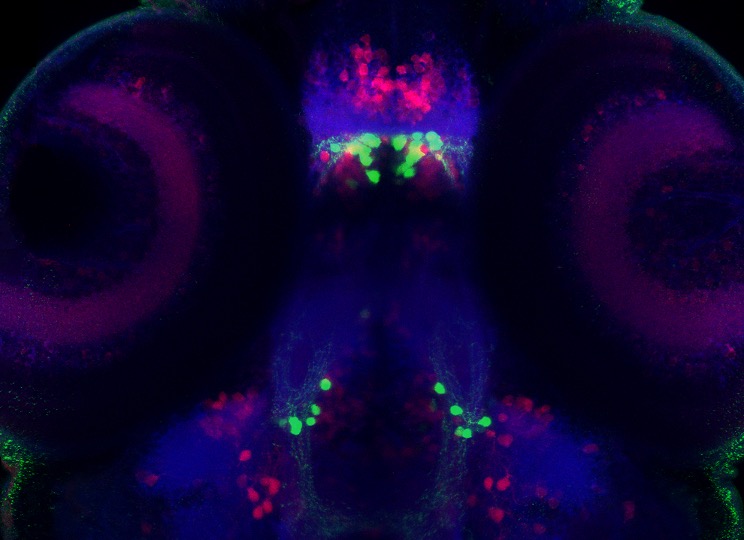
Stress strongly influences our life. Small doses of it can motivate us and increase our performance. Too much of it can make our body and mind sick. Chronic and traumatic stress is indeed linked to several debilitating psychiatric conditions, including depression, anxiety, and post-traumatic stress disorder. We are interested in understanding how discrete neuronal circuits control physiological and behavioral responses to stressful situations. Our strategy is to use genetically identified populations of neurons in zebrafish larvae as entry points to dissect the molecular and circuit mechanisms mediating the modulatory influence of stress on brain function and behavior.
Relevant publications
Corradi L., Bruzzone M., Dal Maschio M., Sawamiphak S., Filosa A. Hypothalamic Galanin-producing neurons regulate stress in zebrafish through a peptidergic, self-inhibitory loop. Current Biology, 2022, 32(7):1497-1510.e5
Corradi L., Zaupa M., Sawamiphak S., Filosa A. Using pERK immunostaining to quantify neuronal activity induced by stress in zebrafish larvae. STAR Protocols, 2022, 3, 101731
Modulation of Sensory-Motor Transformations by Internal States
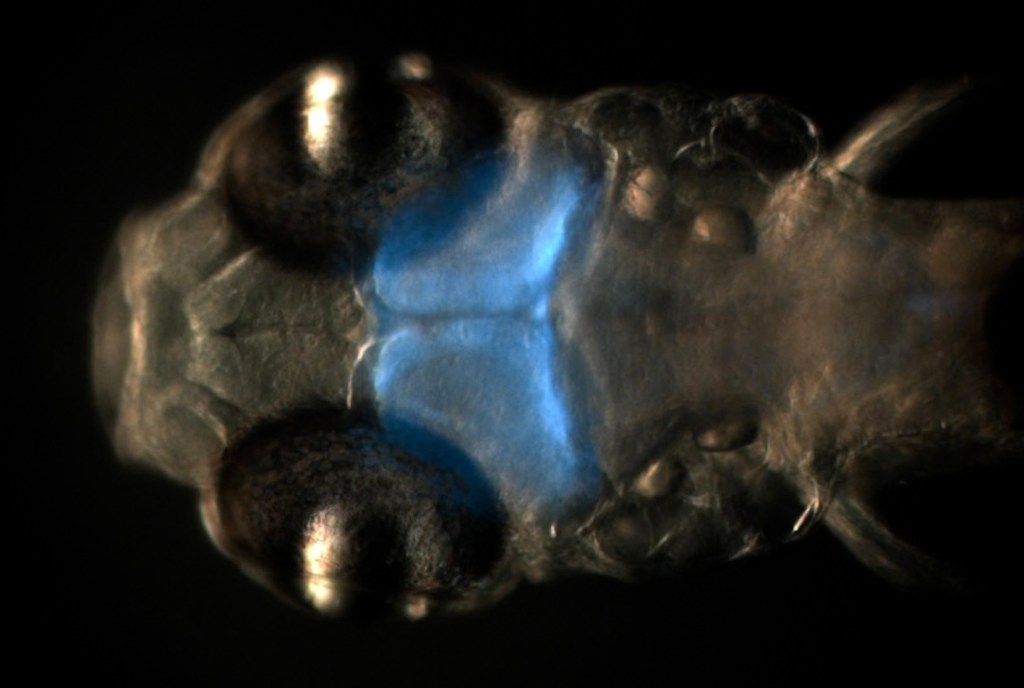
The way we sense the world surrounding us relies on information detected by our sensory organs, but interpretation of this information by our brain is strongly influenced by our emotions and physiological needs. For example, we may pay more attention to food-related sensory cues when hungry, or to potential threats when stressed. Our lab has identified several neuronal mechanisms mediating the influence of internal states, such as hunger, on vision. We are currently interested in extending these findings to other internal states and sensory modalities, and to make new discoveries which will allow us to have a comprehensive understanding of how internal and external information is integrated to guide behavior.
Relevant publications

